

PERSISTENCE, PATIENCE & PRAGMATISM IN THE AGE OF MAHA
The rise of the Make America Healthy Again (MAHA) movement should be a watershed moment for the dietary supplement industry. The emphasis on empowering people, transparency, natural products, whole foods, and individuals taking charge of their own health aligns perfectly with principles our industry has championed for decades.
But 2025 proved more complex than many anticipated. While MAHA brought national attention to preventive health and nutrition education, it also introduced new scrutiny, unpredictable policy shifts, and challenges that required strategic navigation and thoughtful engagement with an array of stakeholders.
THE MAHA WISHLIST: WHERE WE FOUND ALIGNMENT
CRN identified clear opportunities to advance shared priorities with the new administration:
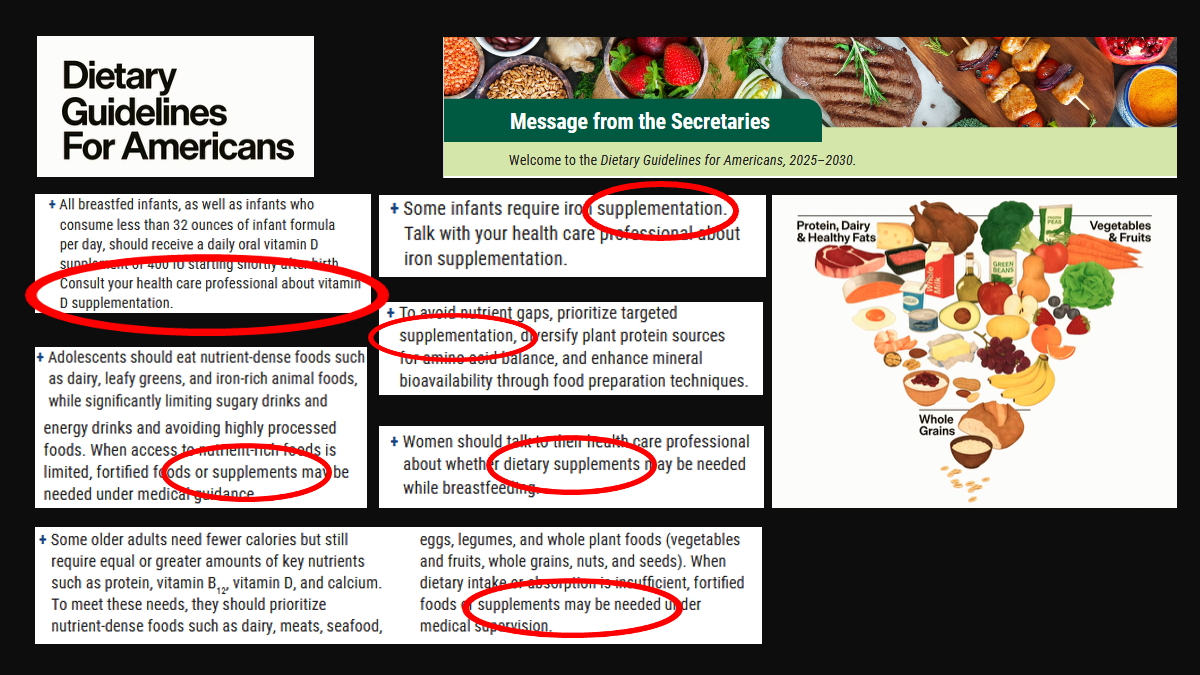
Dietary Guidelines Recognition: CRN urged HHS and USDA to “meet people where they are” by acknowledging the role dietary supplements can play in addressing persistent nutrient shortfalls in the 2025–2030 Dietary Guidelines for Americans.
FSA/HSA Eligibility: CRN advanced advocacy to recognize dietary supplements as a “qualified medical expense” in the tax code, which would allow Americans to more broadly use FSA/HSA funds for supplement purchases.
Nutrition Education: CRN supported HHS Secretary Kennedy’s call for comprehensive nutrition education in medical schools—a priority CRN has championed for years.
Self-GRAS Transparency: CRN proposed enhanced accountability in the self-GRAS process rather than elimination of the GRAS (generallly recognized as safe) designation, protecting innovation while addressing legitimate concerns.
DSHEA Disclaimer Modernization: CRN advocated for revising the 1997 disclaimer rule to clarify that FDA disclaimers need not appear on every panel.
SMALL WINS, BIG BATTLES
Progress came in measured steps. CRN applauded the 2025 Dietary Guidelines’ acknowledgment of supplements and FDA’s announcement that it intends to exercise enforcement discretion on DSHEA disclaimer label placement. In addition, bipartisan congressional support for FSA/HSA eligibility grew.
However, MAHA also brought headwinds. CRN led the way in addressing renewed scrutiny of self-GRAS determinations, state-level age restriction bills, heavy metal testing mandates, and unpredictable tariff policies that threatened ingredient access and affordability.
“The early attention of the administration has been focused on reductionist thinking…we need to refocus the conversation now on what consumers are missing from their diets. What people can proactively do to improve and maintain their health...”
— CRN President & CEO Steve Mister
MORE ON MAHA | ADDRESSING CONSEQUENCES AT THE STATE LEVEL
