

Congratulations to our 2025 CAPS winners!
Learn more about our 2024 CAPS awardees:
- Huyen Le
- Benjamin Levine
These students attended CRN's 2025 Science in Session event.
Hear from the 2025 CAPS winners on the Supplement Source Podcast:
From Lab to Leadership: How CRN’s CAPS Scholars Are Shaping the Future of Nutrition Science
In this episode of Supplement Source, CRN’s Jeff Ventura talks with 2025 CAPS Scholars Huyen Le, Ben Levine, and past scholar Sam Fessler about how CRN’s Campus to Career (CAPS) Program helps bridge the gap between academic research and the dietary supplement industry. The scholars share how attending Science in Session and Convergence offered mentorship, networking, and real-world insights that expanded their career horizons—showing how scientists can carry their research skills into impactful industry roles while staying true to the science.
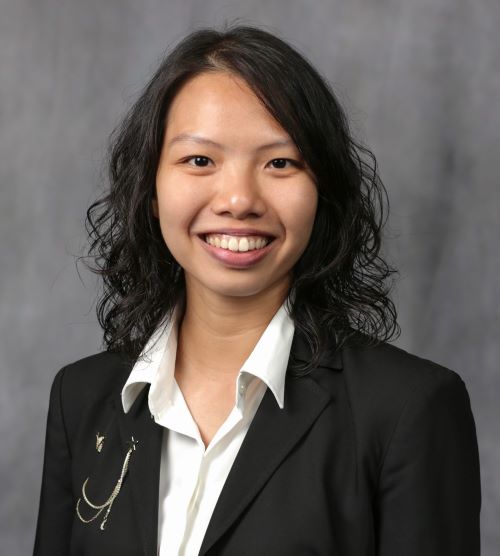 Huyen Le (she/her/hers)
Ph.D. student, Nutritional Biochemistry and Physiology, Rutgers University
My academic background spans nutrition, public health, and hospitality management, combining scientific expertise with skills in communication and cultural competence. After earning a Bachelor’s degree in Hospitality Management, I completed a B.S. in Nutrition and Dietetics at the University of New Mexico (UNM), where I gained a strong foundation in human nutrition, biochemistry, and community health. While at UNM, I worked as a Faculty Assistant at the Prevention Research Center, where I contributed to public health initiatives such as SNAP-Ed evaluation and home visiting program assessments. In this role, I ensured data integrity and facilitated collaborations between researchers and community partners. Additionally, I was also an undergraduate research assistant working on a research project to investigate the intersection of nutrition and mental health. I led studies on anxiety and dietary intakes among college students during the COVID-19 pandemic. These projects, which resulted in peer-reviewed publications, deepened my commitment to advancing human health through evidence-based nutrition research.
These experiences sparked my curiosity about the molecular mechanisms underlying nutrient effects on health, inspiring me to pursue a PhD in Nutritional Sciences at Rutgers University. Under the mentorship of Dr. Malcolm Watford, my research focuses on understanding the role of adipocyte-specific glutamine metabolism in obesity development and lactation performance. Multiple studies have highlighted the importance of milk glutamine in supporting neonatal intestinal growth and immune function, yet evidence from domestic animals suggests milk glutamine levels may be suboptimal and could be improved to enhance neonatal outcomes. Thus, one of the primary aims of my dissertation is to evaluate the role of adipocyte-derived glutamine in lactation. Using a novel mouse model in which Glul (the gene encoding glutamine synthetase, GS) is ablated in adipocytes, I compared milk composition between control and knockout mice using metabolomic and lipidomic approaches. I found that loss of GS in adipocytes altered the levels of lactose and non-essential amino acids in milk, particularly in early lactation, which could impact neonatal health. My work also examines glutamine-related mechanisms underlying lactation difficulties associated with maternal obesity. By elucidating the role of adipocyte glutamine production, my research
aims to inform interventional strategies that improve maternal and neonatal health outcomes.
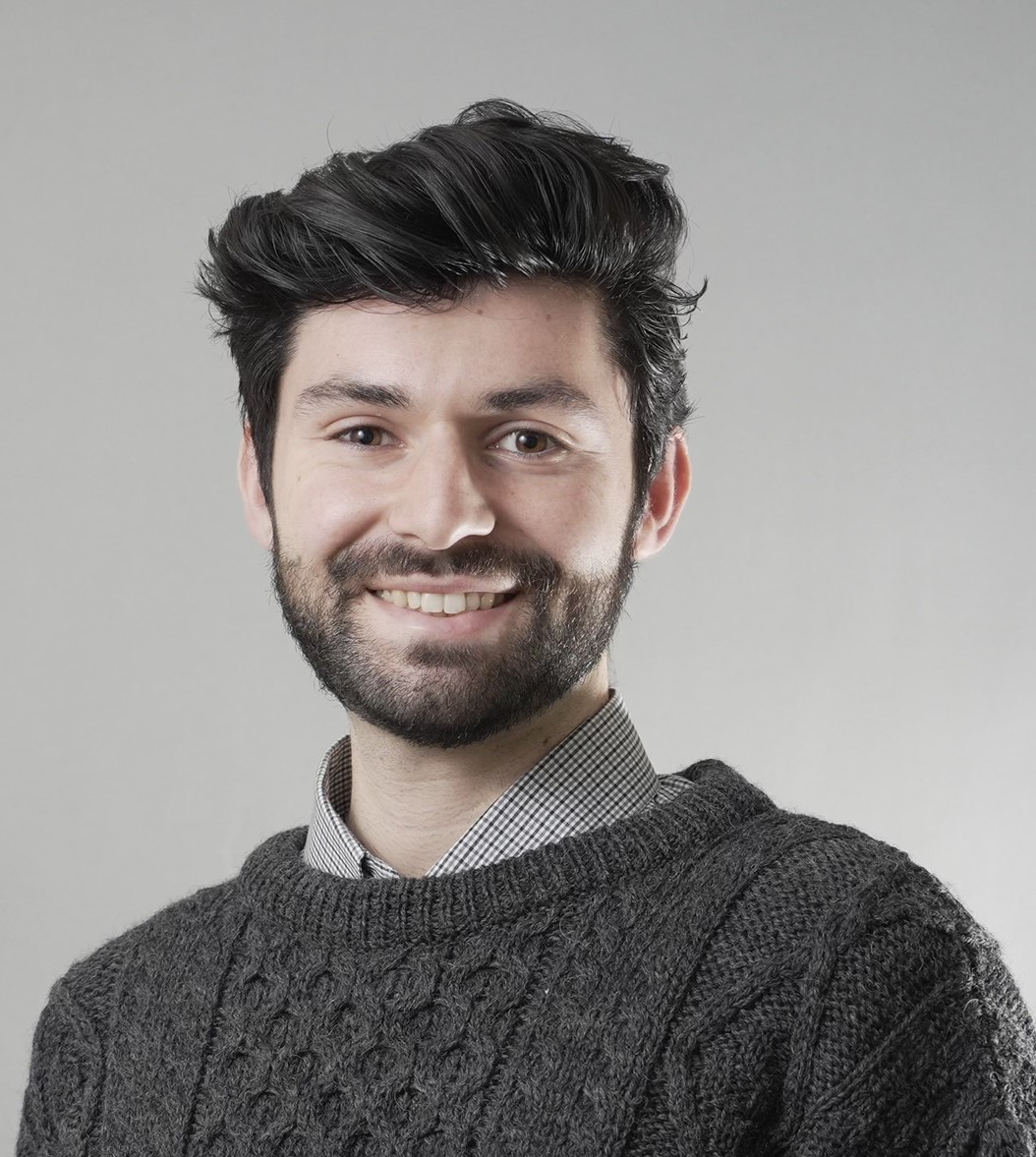 Benjamin Levine (he/him/his)
Ph.D. student, Nutritional Sciences, University of Illinois
Resilience refers to the capacity to resist, adapt, recover, or grow in response to a stressor. Throughout my scientific career, I have contributed to projects that have employed interventions designed to confer stress resilience at both individual and population scales. My first exposure to resilience research began as an undergraduate intern at the U.S. Geological Survey, where my team investigated how nutrient exposures could protect endangered fish populations against climate change-driven habitat displacement. Furthermore, I conducted an independent study in the indoor butterfly house at the Missouri Botanical Gardens demonstrating how artificial bee-like buzzing promotes resilience to the absence of natural pollinator noise by increasing plant nectar production, thereby prolonging butterfly lifespan. In my position at Pfizer, I contributed to the COVID-19 vaccine therapeutics program during a time of heightened global stress. This experience emphasized how both biomedical and lifestyle strategies (including nutrition) may support resilience against stress-related pathologies.
These experiences inspired me to pursue a PhD in Nutritional Sciences at the University of Illinois at Urbana-Champaign, an interdisciplinary research program with a distinguished history in advancing nutrition science. The overarching goal of my thesis is to understand how chronic stress induces intestinal dysmotility, the uncoordinated enteric neuromuscular movement leading to diarrhea, constipation, and abdominal pain, a phenomenon more common among women. My early work demonstrated that prebiotic fructan ingestion confers resilience against stress-induced intestinal dysmotility in mice, with more pronounced effects observed in females. We attribute this effect to alterations in the luminal environment that promote microbial γ-aminobutyric acid (GABA) synthesis, a neurotransmitter involved in coordinating motility responses through interactions with the enteric nervous system. This body of work was submitted for publication this summer (2025). For the remainder of my PhD, I aim to characterize the cellular mechanisms underlying this phenotype, with the long-term goal of developing dietary strategies that maintain symptom relief and diet quality in individuals with intestinal dysmotility, offering an alternative to current and broad restrictive approaches such as the low-FODMAP diet.
Back to CAPS main page. Read about past recipients in archived coverage from 2024, 2023, 2022, and 2021.