

AUGUST 2026

Past Editions—Need to Know Archives
IN THIS EDITION:
Here’s what retailers need to know:
- Connect with CRN President & CEO Steve Mister at NACDS Total Store Expo
- Better product visibility can help retailers respond quickly
- Illegal products should not define the responsible supplement aisle
- HSA/FSA eligibility could create new purchasing power for dietary supplements
Connect with CRN at NACDS Total Store Expo
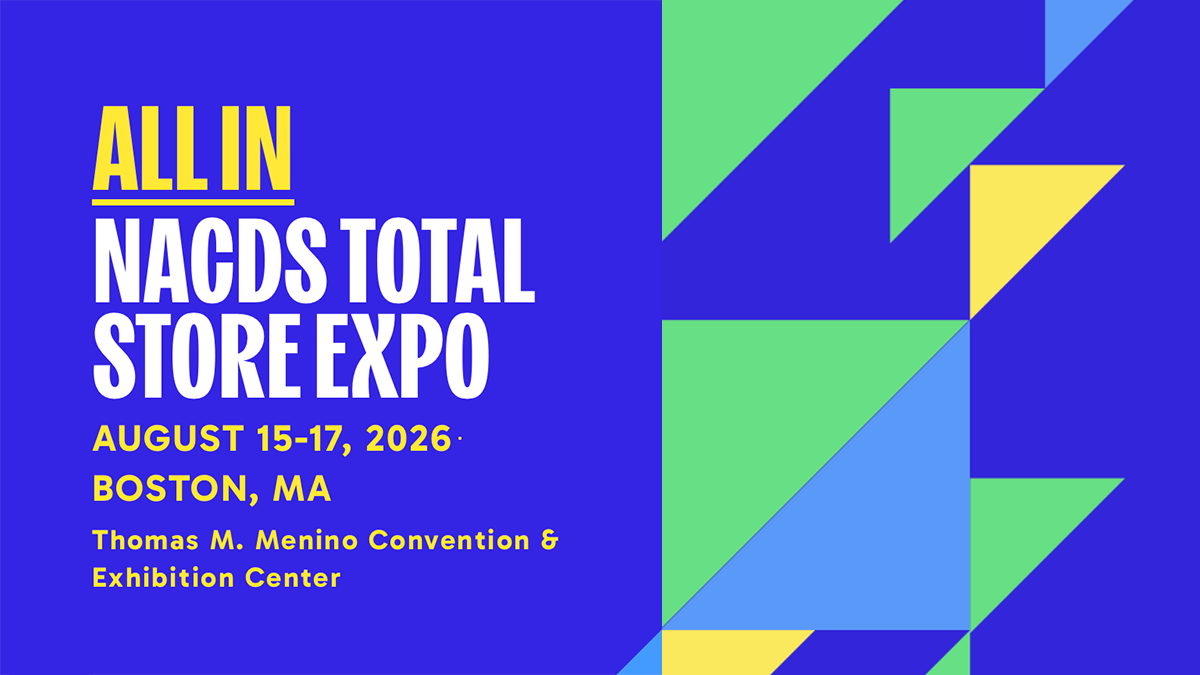
CRN President & CEO Steve Mister will attend the NACDS Total Store Expo in Boston this weekend and welcomes the opportunity to connect with retail leaders about the developments affecting the supplement aisle.
Mister will be on site on Sunday, Aug. 16, following CRN’s Members-Only Breakfast Briefing that morning. This year’s presenters are Albertson’s, Whole Foods Market and The Emerson Group.
Top-of-mind issues for retail include:
- State proposals that could affect product access, placement, age verification, and online sales;
- Increased scrutiny of protein, sports-nutrition, and other fast-growing categories;
- Supplier transparency and responsible sourcing to protect retailer and consumer confidence;
- Opportunities to increase consumer access to supplements through HSA and FSA eligibility; and
- How retailers and vendors can work together when regulatory concerns or negative headlines arise.
CRN works across legislative, regulatory, scientific, and marketplace issues to help retailers understand what may affect assortment decisions, supplier expectations, store operations, e-commerce, and consumer communications.
Get in touch: Contact Steve via email—smister@crnusa.org—or message on LinkedIn to arrange a meeting at Total Store Expo.
Better product visibility can help retailers respond quickly
Retailers are often the first to feel the effects when a negative study, news report, regulatory proposal, or ingredient concern draws attention to a supplement category.
The immediate questions are practical: Which products are affected? What do their labels say? Which suppliers should be contacted? Does the issue require an assortment review—or is it being overstated?
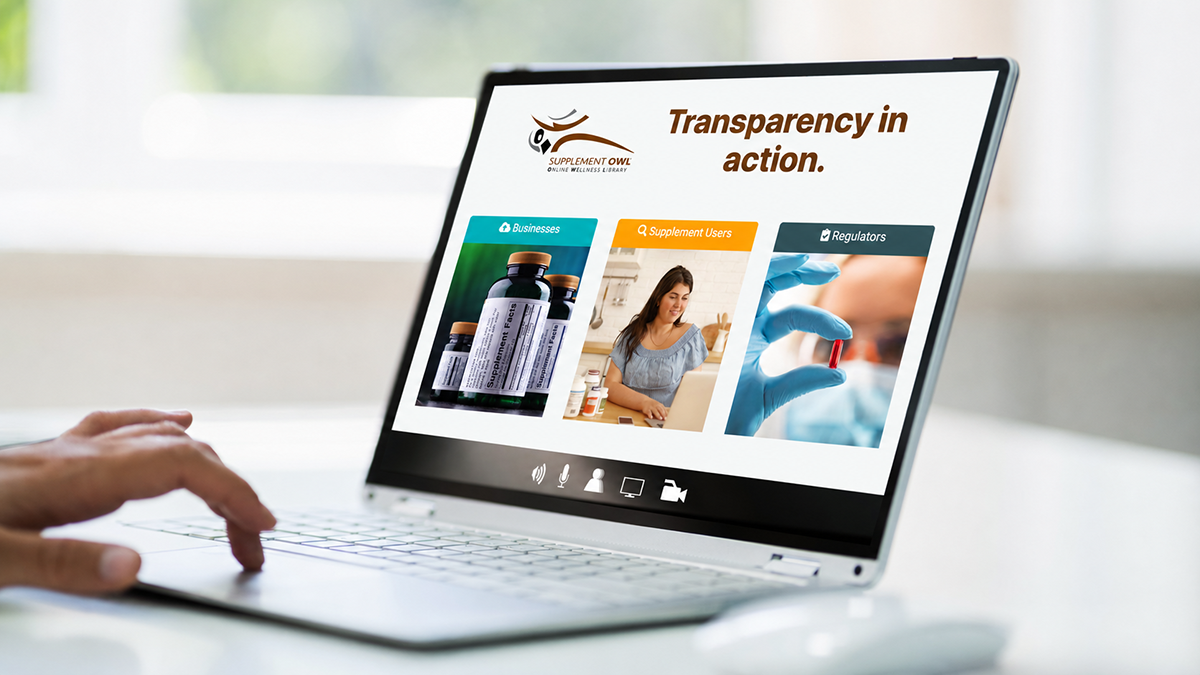
The Supplement OWL, an industry-wide dietary supplement product registry spearheaded by CRN, helps provide those answers. Its searchable product and label information can help identify relevant products, ingredients, claims, and the companies marketing them. And it’s completely free!
A recent Nutrition Industry Executive article on CRN's Supplement OWL reported that visibility has practical value beyond demonstrating industry transparency. When questions arise about an ingredient or category, the registry can help retailers identify products and take action more quickly.
Why it matters to retailers: Better marketplace information can support supplier due diligence and assortment reviews. It also gives retailers another way to distinguish companies willing to stand behind their products and labels.
As industry stakeholders, regulators and policymakers consider proposals for a mandatory registry, the Supplement OWL serves as proof that industry-led systems can balance transparency with practicality. It’s not theoretical—more than 150 brands have been listed in the OWL to date, showing the scalability of the approach. Some niche brands post a handful of products; other companies have literally thousands of labels. It works for both.
Bad actors shouldn’t define the supplement aisle

Recent coverage of illegal products including tianeptine and unapproved injectable peptides, as well as AI-generated “doctors” promoting supplements has highlighted legitimate consumer-protection concerns.
Yes, but: Reporting often mischaracterizes the majority of responsibly-made, safe and efficacious products by blurring the lines between lawful dietary supplements and products or marketing practices that operate outside the law.
CRN pushes back on that conflation, as seen in recent responses to major media outlets:
- Unapproved injectable peptides sold through gray-market channels are not representative of the supplement marketplace, as CRN made clear in its recent statement responding to reporting in the Washington Post and New York Times on peptides. (CRN recently held a webinar on peptides, now available on demand.)
- Deceptive AI advertisements, with fake experts and unlawful disease claims are violations—not accepted industry practices, as CRN noted in its statement responding to a New York Times investigation.
- Products containing illegal or undeclared drug ingredients are not lawful supplements simply because someone markets them that way, as CRN noted in its open letter to the John Oliver “Last Week Tonight” show.
Why it matters to retailers: When unlawful products and deceptive advertising are portrayed as part of the supplement industry, the reputational consequences can spread across the aisle. Strong supplier standards, responsible sourcing, and greater marketplace transparency help retailers protect consumer trust and distinguish reputable products from those operating outside the law.
Could HSA/FSA eligibility unlock new supplement-aisle demand?

CRN continues advocating for legislation that would allow consumers to use health savings accounts (HSAs) and flexible spending accounts (FSAs) to purchase dietary supplements, most recently applauding introduction of the Dietary Supplements Access Act.
For retailers, this is more than a tax-policy issue. HSA/FSA eligibility could give consumers additional purchasing power to support their health and wellness while strengthening the role of retail pharmacies, supermarkets, and other stores as accessible healthcare destinations.
Why it matters to retailers: If enacted, eligibility could expand the number of wellness products consumers can purchase with pre-tax dollars and create new opportunities for category education and engagement.
Retail government-relations teams can help demonstrate to Congress that HSA/FSA eligibility would provide consumers with greater choice while supporting the growing role of retail in preventive health and self-care.
Learn more about CRN’s 2026 advocacy priorities promoted during CRN's Day on the Hill fly-in.